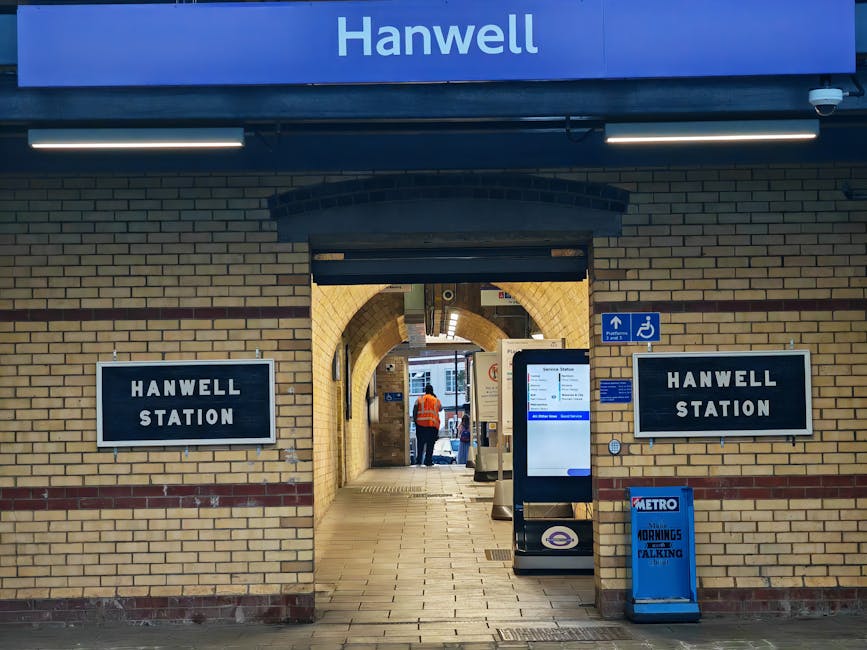
Emergency rubbish clearance Staines Station access solutions

If you need emergency rubbish clearance near Staines Station, access is usually the thing that makes or breaks the job. Not the waste itself. Not even the time pressure, really. It is whether a van can stop legally, whether loaders can reach the pile quickly, and whether the clearance can happen without turning a busy station-side street into a bottleneck. In a place like Staines, where commuter traffic, narrow access points, and mixed residential and commercial streets all overlap, a fast rubbish removal plan has to be practical from the first minute.
This guide breaks down emergency rubbish clearance Staines Station access solutions in plain English. You will learn how urgent clearances are handled, which access issues matter most, what to do before the team arrives, and how to choose the best method for the situation. It is written for people who need help now, but also want to avoid the classic mistakes that slow everything down. Let's face it, when rubbish is in the way, nobody wants a long, messy process.
Why Emergency rubbish clearance Staines Station access solutions Matters
Emergency clearance is rarely just about lifting bags into a vehicle. Around Staines Station, access can be the real constraint. A piled-up hallway in a flat, builders' waste blocking a rear alley, or bulky items left outside a shop at the wrong time can all become urgent when they obstruct movement, create a safety issue, or risk complaints from neighbours and building managers.
Good access solutions matter because the faster a team can get in, load, and leave, the less disruption everyone experiences. That sounds obvious, but in practice it means planning around kerbs, footpaths, loading restrictions, entry codes, stairwells, gates, shared driveways, and the usual awkward surprises that arrive just when you are already stressed. In our experience, the best emergency jobs are the ones where the access plan is worked out before the truck turns the corner.
There is also a reputational piece here. If rubbish is left too long near a station area, it can attract complaints and make a property look neglected. For landlords, shop owners, letting agents, and residents, that can become more than an inconvenience. It can affect tenant relations, inspections, and how safe the space feels.
Expert summary: When rubbish clearance is urgent, access is the hidden time saver. The best solution is the one that matches the waste, the site, and the available stopping space without forcing unnecessary lifting, delays, or repeat trips.
And yes, sometimes the issue is as simple as "where can the van actually go?" Yet that question is the whole job.
How Emergency rubbish clearance Staines Station access solutions Works
Most emergency clearances follow a straightforward pattern, but the details change depending on the site. Near Staines Station, the process usually starts with a quick assessment of access. That can happen by phone, by photos, or in person if the situation is urgent enough and close by.
1. Assess the access route
The first step is to identify the shortest safe route from the waste pile to the vehicle. That might be a front driveway, a rear service lane, a side passage, or a communal entrance. The key questions are simple:
- Can a van stop close enough?
- Is there room to carry waste without blocking foot traffic?
- Are there gates, stairs, or tight turns?
- Will the team need sacks, barrows, or a wait-and-load approach?
A site can be perfectly manageable even if it looks awkward at first glance. Equally, a location that seems easy can become difficult if parking is restricted or access is only available during a short window. A lot depends on timing.
2. Match the vehicle and method to the access
Not every emergency rubbish clearance needs the same equipment. A small domestic job may suit a man and van collection where loaders can carry items quickly and keep the vehicle moving. A larger clear-out may be better served by grab lorry hire if there is space to load directly. If there is no safe place for a container, a wait and load skip hire arrangement may be the neatest option, because the waste is taken away without leaving a skip on the street.
That matching step matters. A vehicle that is too large can waste time, block traffic, or make the job more expensive than it needs to be. A vehicle that is too small can mean repeated journeys. Nobody wants that on an urgent call-out.
3. Clear the waste in the safest order
On arrival, teams normally remove the easiest-to-access items first and build a safe path if the rubbish is piled across more than one area. Heavy items, awkward furniture, mixed construction waste, and breakable bags are handled differently. If the waste includes appliances or mattresses, specialist loading may be needed. For example, items like white goods may be booked with fridge and appliance removal, while beds and soft furnishings often need mattress and sofa disposal.
4. Separate anything that needs special handling
Not all rubbish is equal. Batteries, paint, solvents, and some renovation leftovers may require separate treatment. If there is any hazardous material, the team needs to know before collection begins. That is not a small detail; it changes the whole plan.
5. Finish with a load check and sweep-up
A good emergency clearance does not stop at removal. The vehicle should be loaded securely, loose debris should be checked, and the site should be left safe enough for normal use again. Sometimes that means a brief sweep of an access path or a final check that no sharp fragments have been missed. Small thing, big difference.
Key Benefits and Practical Advantages
The most obvious benefit is speed. But there is more to it than that. Emergency rubbish clearance near a busy station area can solve several problems at once.
- Reduced disruption: A fast, organised clearance keeps footways, entrances, and shared spaces usable.
- Better access planning: Choosing the right method avoids unnecessary carrying and repeated lifting.
- Lower stress: When the access plan is clear, the job feels manageable instead of chaotic.
- Safer working conditions: Less clutter and fewer improvised moves mean fewer trip hazards and less strain.
- Cleaner presentation: Useful for landlords, shops, offices, and homes where first impressions matter.
- More efficient loading: The right vehicle can handle waste without multiple runs.
There is also a subtle but important benefit: better communication. In urgent jobs, a clear access solution forces everyone to be specific. Where is the waste? Which gate is open? What time can the vehicle stop? That kind of clarity reduces mistakes. It sounds boring. It is not boring when you are stood outside with a pile of rubbish and a building manager asking for it gone by lunch.
Who This Is For and When It Makes Sense
This kind of clearance is useful for a surprisingly wide range of people. You do not need a major site incident to justify emergency rubbish removal. Sometimes the trigger is far more ordinary.
Typical situations
- Residents with urgent household waste: Overflowing bags, furniture left after a move, or a sudden clear-out before visitors arrive.
- Landlords and letting agents: End-of-tenancy rubbish, abandoned items, or a flat that needs to be turned around quickly.
- Shops and small businesses: Packaging, stockroom waste, or bulky items that are blocking access to the premises.
- Builders and trades: Debris from a job that cannot wait for the next scheduled collection.
- Offices: Desk clear-outs, broken furniture, or confidential material requiring careful handling.
Sometimes the need is driven by timing rather than volume. For example, a small amount of waste in the wrong doorway can still create a real access problem. Equally, a bigger load in a rear alley may be manageable if the route is straightforward and the collection vehicle can get close.
If you are weighing up whether it is urgent enough, ask a simple question: Is this waste causing a safety issue, blocking access, or creating avoidable delay? If the answer is yes, emergency clearance starts to make sense.
Step-by-Step Guidance
Here is the practical way to think about it. Short steps, no drama, no mystery.
- Identify the waste type and size. Is it domestic rubbish, bulky furniture, builders' waste, or mixed material? This affects the vehicle and loading method.
- Check the access route. Measure it roughly with your eyes first, then confirm the details: gate width, stair count, parking restrictions, turning room, and whether the vehicle can wait safely.
- Take a few photos. A couple of clear pictures often tell the story faster than a long explanation. A photo of the access point is especially helpful.
- Choose the right collection method. For tight access, a man-and-van style collection may be more suitable. For larger heavy waste, a grab lorry can be efficient. If street placement is difficult, waiting and loading may be best.
- Flag any special waste early. Appliances, sharps, chemicals, confidential papers, or damp materials all need the right handling.
- Prepare the site. Move cars if needed, unlock gates, and make sure entry codes or contact details are ready. It sounds basic, but it saves time.
- Allow a clear working path. Even a narrow route becomes manageable if it is free of bikes, boxes, bins, or loose clutter.
- Confirm loading and departure plans. If the team can only stop briefly, keep the waste grouped and ready.
- Check the final sweep. Make sure no sharp pieces or stray bags are left behind.
If you are dealing with a station-adjacent property or a busy roadside, timing matters as much as the route. Early morning and off-peak windows are often easier, though not every job can wait. To be fair, rubbish rarely checks the clock before becoming a nuisance.
Expert Tips for Better Results
Here is where experience helps. A few small decisions can make the whole job smoother.
Tip 1: Send photos from the access point, not just the waste pile
A lot of people photograph the rubbish itself and forget the route out. But the route is what usually slows things down. Include doorways, passage widths, kerbs, stairs, and the place where the vehicle would stop.
Tip 2: Group waste by type if you can do it safely
Mixed piles are common, especially after a clear-out or refurb. Still, separating recyclables, bulky furniture, and general rubbish can reduce handling time. It also helps if you have items that need special treatment.
Tip 3: Make room before the team arrives
A five-minute tidy of the access path can save twenty minutes of awkward carrying. Move bins, shoes, planters, and anything else that becomes a trip hazard. You do not need to deep-clean the place. Just create a route.
Tip 4: Be honest about the awkward parts
If there is a locked gate, low ceiling, stairwell, or neighbour-controlled driveway, say so upfront. Nobody likes surprises half way through a clearance. The job is easier when the tough bit is known early.
Tip 5: Think about noise and neighbours
Near a station, people come and go at all hours. A careful team will try to minimise disruption, but you can help by choosing sensible timings and keeping the area clear. It is a small courtesy, and usually appreciated.
One more thing: do not underestimate the power of a clear "where do you want this placed?" instruction. People love assuming the obvious. The obvious is not always obvious.
Common Mistakes to Avoid
Emergency clearances go wrong for predictable reasons. The good news is that most of them are easy to avoid.
- Booking without measuring access: Guessing the route is how delays happen.
- Forgetting parking limits: If the vehicle cannot stop legally, loading slows right down.
- Mixing hazardous and general waste: This can create safety issues and may stop the collection from being completed as planned.
- Leaving items scattered across multiple rooms: Waste should be grouped where possible, so the team can work efficiently.
- Not telling anyone about stairs or narrow passages: That usually becomes clear the moment the team arrives, which is a bit late.
- Underestimating bulky items: One broken wardrobe can take longer than three bags if access is tight.
- Assuming every vehicle works for every site: It does not. The method needs to fit the space.
Another quiet mistake is waiting until the pile becomes an emergency. Truth be told, a lot of "urgent" jobs were avoidable a week earlier. That said, real life happens. People move out suddenly, trades overrun, deliveries arrive damaged. So the point is not blame. It is just better planning next time.
Tools, Resources and Recommendations
You do not need a full kit to organise a clearance, but a few practical tools make the process easier.
| Tool or Resource | Why It Helps | Best For |
|---|---|---|
| Phone photos | Shows access issues clearly before arrival | All urgent jobs |
| Tape measure or rough room-width estimate | Helps confirm whether large items will fit through doors or gates | Flats, terraces, side passages |
| Bin bags and labels | Keeps sorted waste manageable and quicker to load | Households, offices, light clear-outs |
| Gloves and sturdy footwear | Reduces injury risk while moving items to a pickup point | Any do-it-yourself preparation |
| Vehicle access notes | Helps the collection team plan parking and loading | Streets with restrictions |
For service selection, it helps to know the differences between the main clearance options. If you want a broader scheduled removal, rubbish removal is often the simplest route. If the waste is from a renovation or heavier job, construction waste clearance or builders waste removal may be more suitable. For larger projects, some people compare that against skip hire and same day skip hire if access and timing allow it.
If you are not sure which route fits, that is normal. The right answer depends on access, waste type, and how quickly the space needs to be usable again.
Law, Compliance, Standards, or Best Practice
Waste clearance in the UK has to be handled carefully, even when the job feels small or urgent. You do not need to memorise every rule to make a sensible decision, but it helps to understand the basics.
First, waste should be transferred to an authorised carrier and handled in line with accepted waste duty of care principles. In plain English, that means it should not just vanish into the back of any random vehicle and hope for the best. The collection method should make sense for the type of waste, and special waste should be separated where required.
Second, certain materials need extra caution. Fridges, mattresses, confidential records, electrical items, and hazardous substances can all need different handling methods. For example, office paper may be suitable for confidential shredding, while mixed office contents may point you toward office clearance. If you are dealing with stored clutter in a loft or garage, a service like garage and loft clearance may also fit better than a general load-out.
Third, health and safety matters more than people sometimes admit. Shared entrances, steps, uneven ground, sharp debris, and heavy lifting can all create real risks. A professional provider should have clear safety procedures, appropriate insurance, and a sensible approach to loading. If you want to understand how a responsible operator frames that side of the work, the site's health and safety policy and insurance and safety information are worth reviewing.
Finally, pricing and booking should be transparent. In urgent work, people sometimes accept vague estimates because they are under pressure. Try not to. Clear pricing, clear timing, and clear scope reduce misunderstandings later.
Options, Methods, or Comparison Table
If you are deciding how to clear rubbish near Staines Station, these are the most common options and how they compare in real life.
| Method | Best Access Conditions | Strengths | Trade-offs |
|---|---|---|---|
| Man and van | Short carry distance, tight streets, quick loading | Flexible, responsive, good for mixed small-to-medium loads | Less efficient for very heavy or very large waste |
| Grab lorry | Open or semi-open access with space for arm reach | Fast for bulky or heavy waste, fewer manual trips | Needs room and a suitable loading position |
| Wait and load skip hire | No room for a stationary skip, limited on-street time | Great when parking is restricted, avoids permit issues in some cases | Collection window is time-sensitive |
| Standard skip hire | Longer-term access, driveways or permitted roadside space | Good for ongoing projects and self-loading | Can be awkward near station traffic or where permits are needed |
For urgent access challenges, the man-and-van or wait-and-load route is often the easiest to control. That does not mean skip hire is wrong. It just means the site decides the method more often than the other way around. If the waste is part of a bigger renovation, you might compare it with builders skip hire or skip hire permits depending on whether a container can sit safely and legally where you need it.
Case Study or Real-World Example
Picture a small property not far from Staines Station. A tenant has moved out, a few bulky items are left in the hallway, and bags of mixed rubbish are blocking part of the front entrance. The entrance is narrow, the road is busy in the morning, and there is nowhere sensible to place a skip without causing hassle for neighbours.
In a situation like that, the most practical approach is often to use photos to confirm access, choose a short-stay loading method, and work in a sequence that clears the hallway first. If a sofa or mattress is included, those pieces are removed early because they dominate space and make every later movement harder. The team would likely avoid leaving a container on the street and instead focus on quick loading straight into the vehicle.
What usually makes the biggest difference is preparation. When the route to the waste is clear, the job can be completed much faster than people expect. When the route is blocked by bins, shoes, parcels, or a parked car, everything slows down. Simple as that.
In another common scenario, a small business near the station has packaging waste and broken shelving at the rear of the unit. The alley is too tight for a traditional skip, but a direct collection vehicle can stop briefly, load the waste, and move on. A method that seems "small" on paper can be the most effective choice in reality.
Practical Checklist
Use this checklist before the clearance team arrives. It keeps the day much easier.
- Take clear photos of the waste and access route.
- Note gate widths, stairs, and tight corners.
- Check whether a vehicle can stop legally and safely nearby.
- Move cars, bins, bikes, or other obstructions.
- Separate any hazardous items or mention them upfront.
- Group waste into one area if possible.
- Keep entry codes, keys, or contact details ready.
- Tell neighbours or building managers if access may be briefly affected.
- Confirm what time the collection is expected.
- Ask how bulky items or specialist waste will be handled.
- Make sure there is a clear path for loading.
- Do a final walk-through before the team leaves.
Quick practical note: a five-minute prep can save a whole lot of awkward lifting. Worth it, every time.
Conclusion
Emergency rubbish clearance near Staines Station works best when access is treated as the main event, not an afterthought. The waste matters, yes, but the route in and out decides how smoothly the whole job runs. If you match the method to the site, prepare the access properly, and flag any awkward details early, you give yourself the best chance of a fast, safe, low-disruption result.
For homes, landlords, trades, shops, and offices alike, the right access solution turns an urgent mess into a manageable job. That is the real value here: less waiting, less stress, and a cleaner space restored without unnecessary drama.
Get a free quote today and see how much you can save.
If you are comparing service routes, you may also want to review the company's pricing and quotes, or explore broader waste solutions such as waste recycling services and recycling and sustainability to choose the most sensible fit. The right decision is often the one that makes the rest of the day easier. And honestly, that is enough reason on its own.
Frequently Asked Questions
What does emergency rubbish clearance near Staines Station usually include?
It usually includes urgent collection and removal of unwanted waste from homes, flats, shops, offices, or work sites, with access planning so the team can load quickly and safely.
How do access issues affect emergency rubbish clearance?
Access affects how close the vehicle can get, how much manual carrying is needed, and whether a skip, van, grab lorry, or wait-and-load approach is the best option.
Is same-day rubbish clearance possible in a station area?
Often, yes, if the waste type, timing, and access all line up. Tight streets and parking restrictions can affect availability, so photos and clear details help a lot.
What if the property has a narrow alley or rear passage?
A narrow alley does not automatically rule the job out. It may simply mean a smaller vehicle, more manual loading, or a different collection method is needed.
Do I need to sort the rubbish before collection?
You do not always need to sort everything, but separating special items, hazardous materials, and bulky furniture can make the clearance faster and safer.
Can broken appliances and white goods be collected urgently?
Yes, many providers can handle appliance removal, but it is best to mention the items in advance because they may need separate handling or loading care.
Is a skip always the best answer for urgent clearance?
No. A skip is useful in the right setting, but near busy or restricted-access areas, a man-and-van or wait-and-load solution can be more practical.
What should I tell the clearance team before they arrive?
Give them the waste type, access route, parking restrictions, any locked gates or codes, and whether there are stairs, tight turns, or special items involved.
How can I make the clearance faster?
Clear the access path, move vehicles if needed, group the waste together, and send photos in advance. Those small steps save a surprising amount of time.
Are there rules around disposing of mixed waste?
Yes, mixed waste should be handled responsibly and in line with waste duty of care principles. Hazardous or specialist items may need separate treatment.
What if the rubbish is in a communal building near the station?
You may need to coordinate with a managing agent, concierge, or neighbours so the team can get in and out without causing disruption or blocking shared areas.
How do I choose between rubbish removal and skip hire?
If access is tight and you need a quick turnaround, rubbish removal or wait-and-load is often easier. If the project lasts longer and there is room for a container, skip hire may fit better.
Emergency access jobs can feel a bit frantic at first. That is normal. The good news is that with the right plan, they usually become straightforward quite quickly.